BendWeekly.com
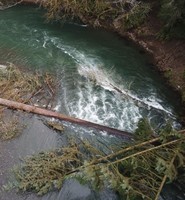
Scout Ahead and Keep a Sharp Lookout for Obstructions (Photo)
Heavy wind and rain from winter storms cause trees to plunge into Oregon rivers. Trees become obstructions, a risk for all boaters, including paddlers, rafters, and drift boats. Some of these obstructions will become more dangerous as river levels drop, requiring boats to portage around the obstructions for safe navigation.“We urge every boater to plan ahead. River conditions can change daily which is why checking river levels is critical. Always look downstream as you navigate allowing time to

Oregon minimum wage will go up 50 cents July 1
Oregon’s minimum wage will go up by 50 cents per hour in all three regions starting on July 1. The automatic increases were ...

Oregon’s largest community read program, ‘A Novel Idea,’ marks 21 years
After a milestone 20th anniversary in 2023, Deschutes Public Library is ready to launch the annual celebration of building community, one book at a time. This year, the Novel Idea community read ...

Oregon mother crafts creative solutions to keep her teen sober, happy
When the youth behavioral health system failed the Happy Valley teen, her mother, Sue Curran, stitched together a quilt of ...

Celebrate Earth Day and public lands protections with these Central Oregon hikes
Living in Central Oregon for most of my life, there have been times when I have taken protected public lands for granted.

Visit Central Oregon awards $450,000 to 15 tourism-related projects through Central Oregon Future Fund
Visit Central Oregon has announced Thursday that 15 recipients will be awarded a total of $450,000 in grant money as part of ...
Kids Ninja Warrior Spring Break Camp
Drop off your kids for an unforgettable experience at Free Spirit’s Kids Ninja Warrior Spring Break Camp! Our seasoned ninja coaches will lead them through exhilarating team games and tricky Ninja Warrior challenges to enhance their jumping, balancing, climbing, agility, and speed skills. Our inclusive camp fosters positive vibes, providing an ideal setting to make connections with like-minded peers who share a burning passion for Ninja Warrior. Act quickly as spots fill up fast! Enroll your kid
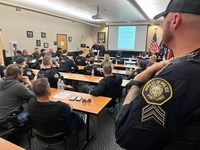
Multi-Agency Stolen Vehicle Operation Yields Positive Results (Photo)
A multi-agency stolen vehicle operation resulted in the recovery of multiple stolen vehicles and guns.
On Saturday, April 13, 2024, officers assigned to the Portland Police Bureau’s East Precinct ran a multi-agency stolen vehicle operation with assistance from PPB’s K9 and Air Support Units, the Gresham Police Department, Port of Portland Police Department, Multnomah County Sheriff's Office, Multnomah County District Attorney’s Auto Theft Task Force, and Parole & Probation. The Vancouver Po

U.S. Attorney's Office Launches Carjacking Task Force
PORTLAND, Ore.—The U.S. Attorney’s Office for the District of Oregon announced today that it will join 10 other U.S. Attorney’s Offices in establishing a multi-agency task force to address carjacking, an important public safety threat impacting communities in Oregon and beyond.“We are pleased to join our Justice Department colleagues from across the country in taking this important, targeted step to address carjacking, a dangerous, violent crime. We thank all our law enforcement partners for the
Head Games Trivia Night at Deschutes Brewery (Bend Public House)
Live multi-media trivia every Wed. night at 6:30pm.
Deschutes Brewery, Bend Public House.
Free to play. Win prizes.
Teams up to 6 players.
Hosted by Rachel O’Rourke.
*PLEASE NOTE: This venue fills up fast. Please arrive as early as possible to secure your table.
The post Head Games Trivia Night at Deschutes Brewery (Bend Public House) appeared first on Visit Bend.
Paint and Sip at Bevel Craft Brewing
Looking for a laid-back night out? Come join me, your friendly local artist, for some painting and sipping fun! No pressure, just good vibes and a relaxed atmosphere.
Whether you’re a seasoned artist or a total beginner, everyone’s welcome! This event is two hours, and I’ll provide the 11″x14″ canvas, all the supplies you need, and a guided tutorial.
Plus, here’s the cherry on top: the first drink is on me! So come hang out, unwind, and let’s get creative together. Trust me, it’s gonna be a blas
Vortex IPA Celebration
<div><p>Vortex IPA is the flagship beer of one of our favorite breweries, Fort George. In celebration of 17 years of this amazing beer, we will be pouring and tasting 3 versions of the IPA: 1) The OG Vortex 2) Double Dry Hopped Vortex 3) Cryotex w/cryo hops SWAG GIVEAWAYS</p>
<p>The post <a href="https://visitbend.com/event/vortex-ipa-celebration/">Vortex IPA Celebration</a> appeared first on <a href="https://visitbend.com/">Visit Bend</a>.</p></div>

Deschutes County Sheriff's Office Illegal Marijuana Market Enforcement Team Execute Search Warrant In Bend (Photo)
Released By: Sgt. Kent Vander KampRelease Date: April 17th, 2024Location: 19000 block of Manzanita Lane, Bend, OregonArrested: Michael A Bradford, age 50, of Bend, Oregon Automne Glasow, age 49, of Bend, ORCharges: ORS 475C.337, Possession of Marijuana (32 times legal limit) and ORS 475C.345 Attempted Delivery of Marijuana (32 times legal limit)Narrative:BEND, Oregon, April 17, 2024 – The Deschutes County Sheriff’s Office Illegal Marijuana Market Enforcement Team (DCIMME), in collab
Kids Ninja Warrior Spring Break Camp
Drop off your kids for an unforgettable experience at Free Spirit’s Kids Ninja Warrior Spring Break Camp! Our seasoned ninja coaches will lead them through exhilarating team games and tricky Ninja Warrior challenges to enhance their jumping, balancing, climbing, agility, and speed skills. Our inclusive camp fosters positive vibes, providing an ideal setting to make connections with like-minded peers who share a burning passion for Ninja Warrior. Act quickly as spots fill up fast! Enroll your kid
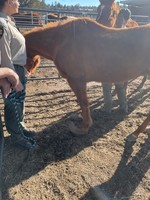
Animal Neglect Investigation Results In 15 Horses Being Seized (Photo)
Released By: Lieutenant Bryan HusbandDate: April 17, 2024Arrested: Jean Poirier, 66 year old female, Bend, OregonCharges: ORS 167.325 Animal Neglect in the Second Degree (15 counts)(Misdemeanor), (1 count)(Felony)Narrative:On March 6th, 2024, Deputies and Animal Control Technicians with the Deschutes County Sheriff’s Office were provided information related to potential animal neglect occurring at the property belonging to Jean Poirier in rural Bend, OR. Poirier was contacted and cooperated with
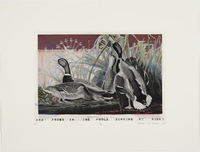
New Exhibition Brings Works from Acclaimed Artists to the High Desert Museum (Photo)
April 17, 2024Savor renowned artwork by Kiki Smith, Ann Hamilton, Matthew Day Jackson and Wangechi Mutu while exploring, “Near, Far, Gone: From the Collections of Jordan D. Schnitzer and his Family Foundation” BEND, OR — Step into a world where art, nature and humanity intersect in the captivating new exhibition Near, Far, Gone: From the Collections of Jordan D. Schnitzer and His Family Foundation, opening at the High Desert Museum on April 20, 2024. Featuring extraordinary works by Kiki Smith,

Central Oregon Springs Into Adventure With Exciting Events, Outdoor Fun, Art and Cultural Offerings
A season of possibilities, Central Oregon has an abundance of experiences for all. As the days grow longer and temperatures rise, the opportunity for ...

Oregon Highway 22 road project to cause delays between Salem, Bend
People driving from Salem to Bend likely will experience delays as crews repair and repave Highway 22 between Big Cliff Dam ...

Senator Ron Wyden to host 4 Southern Oregon town halls
U.S. Senator Ron Wyden will be visiting Southern Oregon later this month. The Democrat says he will hold in-person town halls ...

State Reps. Levy, Kropf to hold post-legislative session town hall Saturday at Downtown Bend Library
On Saturday, state Representatives Emerson Levy and Jason Kropf, D-Bend, will host a joint legislative town hall, sharing ...