BendWeekly.com
Juniper Preserve Perfume Making Workshop | Mother’s Day Summer Scents with Hikisheme
A Mothers Day Special Event on May 10th. | For Mother’s and Daughters (ages 14+)
I have designed a special workshop with Juniper Preserve just for you. It will be held in their Wellness Center, Friday, May 10th, 6-8pm. In this workshop I will guide you to create an intention, a ritual, a memory, or a poem with your perfume creation. Take this opportunity to step into the world of natural perfume for Mother’s Day and use your sense of smell to create something magical together.
Our first hour wil
Summer Scents: Perfume Making for Beginners at Juniper Preserve
Hikisheme’s Kristine Ambrose will bring her beginning fragrance-making workshop to Juniper Preserve! Join us for a guided blending session using aromatic materials associated with floral and herbal growth. Learn the art of smelling and blending as the class explores aromas of spring and summer. Then, learn to blend scents using the palette of perfume materials selected for summer and create your own formula. Each participant will go home with a 5ml spray bottle of their aromatic creation!
The po
Wanderlust Tours | Crooked River Caldera Dark Skies Weekend
Located east of Bend, on the western flank of the Ochoco National Forest, Prineville sits in the heart of the Crooked River Caldera, an ancient supervolcano that last erupted around 30 million years ago. Lying on the edge of the Oregon outback, it is one of the best places in the country for stargazing and night sky adventures. Join us for a weekend filled with stargazing, stunning hikes, a multi-course dinner, and naturalist interpretation about the vital importance of our dark skies.
Naturalis
Mother’s Day ‘Rosé and Roses’ Featured Flight
<div><p>Flight of 3 Rosés for Mothers Day weekend including Rosé Champagne. All moms get a rose to go with. Reservations recommended.</p>
<p>The post <a href="https://visitbend.com/event/mothers-day-rose-and-roses-featured-flight/">Mother’s Day ‘Rosé and Roses’ Featured Flight</a> appeared first on <a href="https://visitbend.com/">Visit Bend</a>.</p></div>
Kids Ninja Warrior Spring Break Camp
Drop off your kids for an unforgettable experience at Free Spirit’s Kids Ninja Warrior Spring Break Camp! Our seasoned ninja coaches will lead them through exhilarating team games and tricky Ninja Warrior challenges to enhance their jumping, balancing, climbing, agility, and speed skills. Our inclusive camp fosters positive vibes, providing an ideal setting to make connections with like-minded peers who share a burning passion for Ninja Warrior. Act quickly as spots fill up fast! Enroll your kid
No Perfect Mothers by Karen Spears Zacharias
Central Oregon resident and author of Mother of Rain and The Murder Gene, Karen Spears Zacharias will join us to discuss her new book, No Perfect Mothers, released March 5.
There is much about her hometown that Carrie Buck loves: Venable Elementary where she first learned to read; Starr Hill because that’s where Miss Mora lives; Chancellor’s Drugstore where she sometimes gets a free cola; and Anderson’s Bookstore where a girl can look through all the books she likes. While 1920s Charlottesville,
Jungle Run
For runners and walkers looking for a fun-filled challenge, Central Oregon Community College (COCC) has two race events happening in May, both on the Bend campus: the four-mile or two-mile Jungle Run on May 9 and the two-mile, 465-stair Storm the Stairs on May 16.
Both races are free to COCC students and $15 (plus processing fee) for other runners registering in advance, with all entrants receiving a T-shirt and dinner; in-person, day-of registration is $20. There will be a prize drawing followi
Emily Stanton & High Street Combo
Come enjoy this non-stop dance party featuring all the dance hits from Kool & the Gang… Whitney Houston…Donna Summer, Michael Jackson, Earth Wind & Fire and more!…PACKS the Dance Floor and will leave you “Staying Alive!”
Come and be ready to dance the night away!
Chairs and Tables provided for you. Wood fired, hand crafted pizzas, Award Winning Wine by the bottle, beer on tap, salad and dessert all available for purchase.
If you haven’t been to the vineyard for our summer concerts…it is
Women’s Adventure Retreat w/AdventurUs Women
A multi-sport adventure retreat in beautiful Bend, OR created by women for women.
What is an Adventure Retreat? Think summer camp vibes where you play outside all day, learn new activities from amazing women instructors, and do all the things you love in the company of like-minded women… this is the “Adventure.”
But unlike camp, you are staying at a cool boutique hotel, eating delicious catered meals, enjoying a private sauna experience, starting your day with yoga, and wine tasting in the ev
Kids Ninja Warrior Spring Break Camp
Drop off your kids for an unforgettable experience at Free Spirit’s Kids Ninja Warrior Spring Break Camp! Our seasoned ninja coaches will lead them through exhilarating team games and tricky Ninja Warrior challenges to enhance their jumping, balancing, climbing, agility, and speed skills. Our inclusive camp fosters positive vibes, providing an ideal setting to make connections with like-minded peers who share a burning passion for Ninja Warrior. Act quickly as spots fill up fast! Enroll your kid
Head Games Trivia Night at Deschutes Brewery (Bend Public House)
Live multi-media trivia every Wed. night at 6:30pm.
Deschutes Brewery, Bend Public House.
Free to play. Win prizes.
Teams up to 6 players.
Hosted by Rachel O’Rourke.
*PLEASE NOTE: This venue fills up fast. Please arrive as early as possible to secure your table.
The post Head Games Trivia Night at Deschutes Brewery (Bend Public House) appeared first on Visit Bend.
Candle Making Workshop
Join one of our illuminating classes where you’ll receive step by step instructions on how to make your own 100% soy candle, create a unique scent blend, explore the fascinating world of aromas, learn how scents influence emotions and memories.
This class includes all materials to make one cotton wick soy candle and the invaluable knowledge to make many more at home. Drinks + food is available for purchase.
The post Candle Making Workshop appeared first on Visit Bend.

PPB Releases New Podcast on Sex Trafficking (Photo)
The Portland Police Bureau is releasing a new edition of the Talking Beat podcast featuring a discussion about sex trafficking.
Every year, women, men and children are trafficked worldwide – including in the Portland. Human Trafficking—which includes sex trafficking—occurs every day on our streets. Not only does this crime deeply impact its victims, it can also have wide-reaching criminal components that include illegal drugs, guns and livability issues that affect neighborhoods.
The podcast
Kids Ninja Warrior Spring Break Camp
Drop off your kids for an unforgettable experience at Free Spirit’s Kids Ninja Warrior Spring Break Camp! Our seasoned ninja coaches will lead them through exhilarating team games and tricky Ninja Warrior challenges to enhance their jumping, balancing, climbing, agility, and speed skills. Our inclusive camp fosters positive vibes, providing an ideal setting to make connections with like-minded peers who share a burning passion for Ninja Warrior. Act quickly as spots fill up fast! Enroll your kid
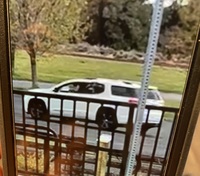
Redmond Police Seek Assistance Identifying Owner in Fatal Dog on Dog Attack (Photo)
Redmond, OR – The Redmond Police Department is seeking the public assistance in identifying the owner of four Great Dane dogs. On May 6, 2024, a Great Dane dog attacked a Pomeranian dog at the Deschutes County Fairgrounds. The owner of the Pomeranian rushed the dog to a nearby veterinarian clinic. However, the dog did not survive the attack. Neither the owners of the Great Danes or the Pomeranian were able to contact each other. The attached photograph of a white SUV is the only identification

Bend Repeat Offender Sentenced to More Than 12 Years Federal Prison for Illegally Possessing Methamphetamine and a Firearm
EUGENE, Ore.—A Bend, Oregon man with a lengthy criminal history was sentenced to more than 12 years in federal prison today for possessing methamphetamine and a firearm.Dana Lee Johnson, 41, was sentenced to 151 months in federal prison and five years’ supervised release.According to court documents, on March 26, 2021, a deputy from the Deschutes County Sheriff’s Office responded to the Tetherow Resort in Bend after a housekeeper found a bag of suspected drugs in a guest room. Upon arrival, the
Bend Farmers Market – Downtown
The Bend Farmers Market is a true farmers market dedicated to supporting the viability of local farmers, ranchers and food producers who offer fresh local produce, protein, and farm products to the people of Central Oregon. You won’t find jewelry or arts and crafts at our market, but you will find an outdoor grocery store full of sustainably produced products to nourish you and your family.
The post Bend Farmers Market – Downtown appeared first on Visit Bend.

CASA of Central Oregon marks National Foster Care Month, celebrates Court Appointed Special Advocate volunteers
BEND, Ore. (KTVZ) -- May is National Foster Care Month ... In observance of National Foster Care Month, CASA of Central ...

Suspect who fatally struck Utah officer previously convicted of similar attempt in Oregon
Officials reported that on March 26, 2009, Michael Aaron Jayne attempted to kill an Oregon State Police officer on State ...

Crux Fermentation Project Lists Its Iconic Bend Tasting Room for Sale
Crux Fermentation Project is selling the property that has served as the brewery’s iconic Bend tasting room since 2012, with ...