BendWeekly.com
Moon Coastal Oregon by Matt Wastradowski
From stunning coastline to charming towns to wildlife watching, find your adventure with Moon Coastal Oregon. Inside you’ll find:
Flexible itineraries, including a weeklong road trip to experience the best of the Oregon Coast
The top outdoor adventures: Go tidepooling, watch for migrating whales, and see hundreds of sea lions. Hike along epic coastal dunes, take a surfing lesson, and catch a sunset at iconic Haystack Rock. Join a fishing charter, camp beside the ocean, or take a jet boat tour to
“Imagine and Empower” an Evening with COCC Student and Alumni Poets
<div><p>COCC students and alumni poets share their original works. Bola Gbadebo, multimedia journalist and Sunrise co-anchor at NewsChannel 21 and poet, will moderate the Q&A with the poets. Refreshments provided.</p>
<p>The post <a href="https://visitbend.com/event/imagine-and-empower-an-evening-with-cocc-student-and-alumni-poets/">“Imagine and Empower” an Evening with COCC Student and Alumni Poets</a> appeared first on <a href="https://visitbend.com/">Visit Bend</a>.</p></div>
Kids Ninja Warrior Spring Break Camp
Drop off your kids for an unforgettable experience at Free Spirit’s Kids Ninja Warrior Spring Break Camp! Our seasoned ninja coaches will lead them through exhilarating team games and tricky Ninja Warrior challenges to enhance their jumping, balancing, climbing, agility, and speed skills. Our inclusive camp fosters positive vibes, providing an ideal setting to make connections with like-minded peers who share a burning passion for Ninja Warrior. Act quickly as spots fill up fast! Enroll your kid
Head Games Trivia Night at Deschutes Brewery (Bend Public House)
Live multi-media trivia every Wed. night at 6:30pm.
Deschutes Brewery, Bend Public House.
Free to play. Win prizes.
Teams up to 6 players.
Hosted by Rachel O’Rourke.
*PLEASE NOTE: This venue fills up fast. Please arrive as early as possible to secure your table.
The post Head Games Trivia Night at Deschutes Brewery (Bend Public House) appeared first on Visit Bend.
Kids Ninja Warrior Spring Break Camp
Drop off your kids for an unforgettable experience at Free Spirit’s Kids Ninja Warrior Spring Break Camp! Our seasoned ninja coaches will lead them through exhilarating team games and tricky Ninja Warrior challenges to enhance their jumping, balancing, climbing, agility, and speed skills. Our inclusive camp fosters positive vibes, providing an ideal setting to make connections with like-minded peers who share a burning passion for Ninja Warrior. Act quickly as spots fill up fast! Enroll your kid
Kids Ninja Warrior Spring Break Camp
Drop off your kids for an unforgettable experience at Free Spirit’s Kids Ninja Warrior Spring Break Camp! Our seasoned ninja coaches will lead them through exhilarating team games and tricky Ninja Warrior challenges to enhance their jumping, balancing, climbing, agility, and speed skills. Our inclusive camp fosters positive vibes, providing an ideal setting to make connections with like-minded peers who share a burning passion for Ninja Warrior. Act quickly as spots fill up fast! Enroll your kid
Online Webinar: Coexisting with Beavers
This free online webinar for animal care and control professionals and watershed stewards will cover the ecosystem benefits of beavers, the history of human-beaver coexistence, the conflict solutions available, and best practices for use.
Positive trends in beaver-related policy will be reviewed, including how Oregon’s “beaver believer” bill impacts landowners, animal care and control professionals, and others in the state.
Co-presented by Dr. Maureen Thompson, Beaver Works Program Manager and J

Vote: Who should be SBLive's WaFd Bank Oregon Softball Athlete of the Week (4/22/2024)?
Here are the candidates for the WaFd Bank Oregon Softball Athlete of the Week as nominated by coaches, fans and readers. Read ...

St. Charles awards $190K in grants to 35 Central Oregon community organizations
BEND, Ore. (KTVZ) -- St. Charles Health System announced Monday the recipients of a variety of Community Benefit grants, ...

Visit Central Oregon awards $450,000 in Central Oregon Oregon Future Fund grants to 15 projects
The second year of Central Oregon Future Fund supports local projects that provide a lasting impact and benefit both visitors ...

Central Oregon taxpayers thank Latino Community Association for help filing tax returns
Spanish-speaking taxpayers expressed gratitude for the free help they received from the Latino Community Association to file ...
Head Games Trivia Night at Worthy Brewing (Eastside)
<div><p>Live multi-media trivia every Monday night at 7:00 p.m.</p>
<p>Worthy Brewing, Eastside.</p>
<p>Free to play. Win prizes.</p>
<p>Teams up to 6 players.</p>
<p>The post <a href="https://visitbend.com/event/head-games-trivia-night-at-worthy-brewing-eastside/2024-04-22/">Head Games Trivia Night at Worthy Brewing (Eastside)</a> appeared first on <a href="https://visitbend.com/">Visit Bend</a>.</p></div>
Earth Day Outdoor Yoga Class
Reservation required. Spots are limited
Join us Monday, April 22nd for a gentle, all-levels yoga class co-taught by Emily Tighe of Do Yoga Outside and Khyra Wilhelm of Wildland Guiding Company. In this one hour flow, you will ground through the senses and develop presence, moving your body with your breath. You’ll breathe in the fresh air, listen to the birds chirp and feel the sun on your skin. Whether you’re new to the practice or an advanced practitioner, join us in celebrating Earth Day th

U.S. Attorney's Office Joins in Recognizing 43rd Annual National Crime Victims' Rights Week, April 21-27, 2024
PORTLAND, Ore.— Every April, the Justice Department’s Office for Victims of Crime (OVC) leads communities across the country in observing National Crime Victims’ Rights Week (NCVRW) to honor crime victims, promote their rights and recognize victim advocates. This year’s observance, the 43rd annual commemoration, takes place April 21-27, 2024, with the theme: Options, services, and hope for crime survivors.The U.S. Attorney’s Office joins its federal, state, local and tribal law enforcement partn
Kids Ninja Warrior Spring Break Camp
Drop off your kids for an unforgettable experience at Free Spirit’s Kids Ninja Warrior Spring Break Camp! Our seasoned ninja coaches will lead them through exhilarating team games and tricky Ninja Warrior challenges to enhance their jumping, balancing, climbing, agility, and speed skills. Our inclusive camp fosters positive vibes, providing an ideal setting to make connections with like-minded peers who share a burning passion for Ninja Warrior. Act quickly as spots fill up fast! Enroll your kid

Redmond Burglary Suspects Arrested - Police Seek Assistance in Recovering Stolen Property (Photo)
REDMOND, OR – On April 18, 2024, Redmond Police officers arrested 28-year-old Redmond resident Michael Moran, and 25-year-old Sister’s resident Christien Richardson. The arrest took place in the parking lot of Dairy Queen. The pair were arrested on cases involving burglaries at La Frontera and the Redmond Tap House. La Frontera was burglarized four times with a large multitude of items stolen, and the Tap House was also a victim of theft. Moran and Richardson were lodged at the Deschutes County

Dispute near China Hat Road results in Gunshot Victim Being Transported to Hospital (Photo)
Released By: Sergeant Jason WallRelease Date: April 22, 2024Location: China Hat Road near mile post 2.Subject #1: Name withheld, white male, 32-year-old, Bend.Subject#2: Name withheld, white male, 36-year-old, Bend. Narrative:On April 21st, 2024, at 4:00 pm, the Deschutes County Sheriff’s Office was dispatched to a report of a subject who had been shot south of China Hat Road, near mile post 2.The reporting party, who was not cooperative with Deschutes County 911 Dispatch, refused to provide any
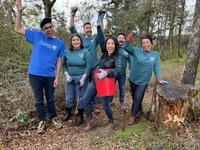
Four Local Environmental Organizations Receive $100,000 from OnPoint Community Credit Union (Photo)
The four $25,000 investments are part of OnPoint’s Green Horizons initiative to protect the Pacific Northwest’s environment and fight climate change PORTLAND, Ore., April 22, 2024 — In celebration of Earth Day 2024, OnPoint Community Credit Union has donated $100,000 to local nonprofits working to preserve and protect the environment, natural resources and wildlife in Oregon and SW Washington. The donation is part of OnPoint’s Green Horizons initiative, which launched in 2021 to help empower the

Bend’s mayor, city councilors may soon approve sizable raises — but only to take effect after the next elections
Bend’s mayor and city councilors may soon get sizable pay raises for the time they devote to city business, although as state ...

Reckless driver pursued on Hwy. 20 crashes in SW Bend; neighbors warned to shelter in place until rooftop standoff ends in arrest
A busy Sunday afternoon for Central Oregon law enforcement began with a pursuit of a reckless driver east of Bend on Highway ...